How Chicago Weather Affects Commercial Roofs and What You Can Do About It

Chicago’s weather is as unpredictable as it is extreme. For commercial property managers, these shifting conditions present serious challenges to roof performance and longevity. Understanding how Chicago weather affects commercial roofs year-round is the first step in protecting your investment before damage occurs.

Understanding Chicago’s Seasonal Extremes

Chicago’s four distinct seasons each bring their own set of roofing challenges. With average winter temperatures dipping below freezing and summer highs soaring past 90°F, roofing materials in Chicagoland are constantly expanding and contracting. This cycle of freeze-thaw and heat exposure weakens seams, flashings, and membranes over time.

  • Winter: Heavy snow, ice dams, and freeze-thaw cycles cause structural stress.
  • Spring: Intense rainfall tests drainage systems, revealing leaks or ponding issues.
  • Summer: UV radiation and thermal expansion cause cracking and blistering.
  • Fall: Wind and debris accumulation clog gutters and drains, setting the stage for water damage.

These weather shifts make roofing in Chicagoland uniquely demanding. Unlike in more temperate regions, every season here tests a different aspect of a commercial roof’s durability, making proactive maintenance essential to long-term performance.

Year-Round Weather Threats and How They Affect Roofing Materials

The Midwest’s climate exposes commercial roofs to constant stressors that, over time, compromise even the most durable materials.

Thermal Shock

Chicago’s temperature swings can exceed 60°F in a single day, creating “thermal shock”, which is the rapid expansion and contraction of roofing materials. This movement weakens adhesives, loosens fasteners, and cracks seams, especially on flat commercial roofs made from single-ply membranes like EPDM or TPO.

Wind Uplift

Strong winds off Lake Michigan generate powerful suction forces known as wind uplift, which can pull at roof edges and corners. Over time, this loosens flashing, detaches sections of roofing, and allows moisture to infiltrate insulation layers.

UV Degradation

Extended exposure to sunlight during the summer months accelerates the breakdown of roofing membranes. UV rays cause materials to dry out, crack, and lose flexibility, particularly in older or dark-colored roofs.

Freeze-Thaw Cycles

Melted snow seeps into small cracks or seams, then refreezes and expands, worsening the damage. Repeated freeze-thaw cycles lead to splitting, delamination, and water intrusion that compromises insulation efficiency.

When evaluating the chicago weather and commercial roofing lifespan, these stress factors play a significant role. Without consistent inspection and maintenance, even high-quality roofing systems can see their lifespan reduced by up to 30%.

Most Vulnerable Roof Features: Flashing, Seams, HVAC Penetrations

Certain components of a commercial roof bear the brunt of Chicago’s weather more than others. These critical details often determine whether your roof survives a storm or suffers long-term damage.

Flashing

Flashing seals the junctions between the roof and walls, vents, or edges. Constant temperature changes and wind pressure cause flashing to loosen or crack, allowing water to penetrate beneath the surface.

Seams

On single-ply or built-up roofs, seams are frequent failure points. Expansion, contraction, and trapped moisture lead to seam separation, which invites leaks and insulation damage.

HVAC Penetrations

Commercial roofs often support multiple HVAC systems. Vibrations, foot traffic, and condensation lines create openings for water entry. Regular inspection of these penetrations ensures they remain sealed against Chicago’s rain, snow, and wind-driven moisture.

By paying special attention to these vulnerable areas during inspections, facility managers can prevent small vulnerabilities from turning into costly emergency repairs.

 Discover how a customized commercial roof maintenance program from Showalter Roofing can protect your Chicago business from seasonal weather damage year-round.

Spring and Summer Risks: Hail, Heat Bubbles, and Ponding Water

Warm weather might seem harmless after a brutal winter, but Chicago’s spring and summer seasons introduce their own roofing hazards.

Hail and Storm Damage

Severe thunderstorms are common from April through August. Commercial roof damage from hail and storms can appear as dents, membrane punctures, or displaced gravel. Even minor hail strikes weaken waterproofing layers and shorten a roof’s lifespan. To learn how to protect your roof from storm damage, schedule professional inspections after any severe weather event, even if the damage isn’t visible from ground level.

Heat Bubbles and Blistering

When trapped moisture expands under high heat, it causes “bubbles” or blisters on flat roofing membranes. These blisters compromise waterproofing and often indicate underlying adhesion failures caused by poor ventilation or excessive heat exposure.

Ponding Water

Flat commercial roofs frequently experience ponding, standing water that remains more than 48 hours after rainfall. This issue leads to membrane deterioration, algae growth, and excessive structural weight. Poor drainage design or clogged scuppers are often to blame, making seasonal cleaning a must.

By addressing these warm-weather threats early, businesses can prevent deterioration that worsens during Chicago’s harsh winter months.

Fall Prep: Debris Removal, Gutter Cleaning, Sealant Checks

Fall is the perfect time to prepare your commercial roof for the punishing months ahead. As leaves and debris accumulate, they clog gutters and downspouts, creating water retention that leads to leaks and ice dams later.

A strong fall maintenance plan includes:

  • Clearing Debris: Remove leaves, sticks, and dirt from the roof surface, drains, and scuppers.
  • Gutter and Downspout Cleaning: Ensure all drainage systems are free-flowing before the first freeze.
  • Sealant and Flashing Checks: Inspect for cracks, shrinkage, or failed sealant around penetrations.
  • Drainage Testing: Run water through drains to verify proper flow and prevent winter backups.

These proactive steps improve drainage performance, extend membrane life, and prevent water pooling during heavy snowmelt. Proper fall preparation also reduces liability risks for building owners by minimizing the chance of leaks or ice-related hazards.

Handling Winter Roofing Risks

Winter is when Chicago’s weather poses the greatest threat to commercial buildings. Heavy snow, ice accumulation, and fluctuating temperatures can cause both immediate and long-term roof damage.

Snow Load and Structural Stress

Flat roofs are especially vulnerable to snow buildup. The weight of wet, compacted snow can strain structural supports, increasing the risk of sagging or collapse. Regular snow removal, performed by professionals familiar with load-bearing limits, is essential.

Ice Dams

When heat escapes from the building’s interior, it melts snow on the roof’s surface. This water refreezes near the edges, forming ice dams that block drainage and cause water to back up under roofing materials. Preventing heat loss through proper insulation and ventilation helps reduce this risk.

Freeze-Thaw Expansion

As temperatures rise and fall daily, water trapped in small cracks repeatedly freezes and expands. Over time, this leads to significant cracking, especially around seams and flashing.

Showalter Roofing recommends semi-annual inspections, including one in late winter, to catch these issues before spring rains amplify the damage. By understanding and mitigating these hazards, property managers protect not only their commercial roof but also the tenants and operations below.

How Regular Maintenance and Seasonal Inspection Offset Cumulatite Damage

Preventative maintenance isn’t an expense, it’s an investment in long-term savings and reliability. In a climate like Chicago’s, neglecting your roof guarantees that weather-related wear will accumulate faster than expected.

Seasonal inspections after major temperature shifts or storms help identify early warning signs such as loose flashing, degraded seams, or clogged drains. Professional documentation also supports warranty compliance and insurance claims, offering peace of mind when unexpected weather hits.

The ROI of regular maintenance compared to emergency repairs is significant. A planned maintenance visit costs a fraction of what a major repair or premature roof replacement would. Over time, facilities that implement proactive maintenance programs spend up to 40% less on lifetime roofing costs than those that wait for visible problems.

Consistent care is the best way to protect your property against the compounded effects of how Chicago weather affects commercial roofs year-round.
Choosing Materials That Stand Up to Chicago’s Climate

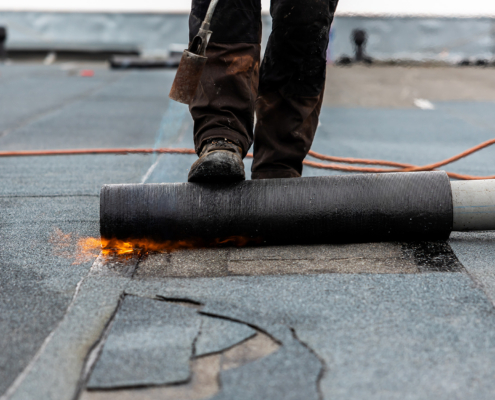
When it comes to building or replacing a commercial roof, choosing the right materials for Chicago’s weather is critical. The best commercial roofing for extreme temperatures combines flexibility, durability, and energy efficiency.

  • TPO (Thermoplastic Polyolefin): Highly reflective and resistant to UV and heat, ideal for summer efficiency.
  • EPDM (Ethylene Propylene Diene Monomer): Excellent in freeze-thaw cycles and resistant to hail and ozone.
  • Modified Bitumen: Offers strength and resilience against wind and foot traffic.
  • Metal Roofing Systems: Durable against high winds and heavy snow loads, though may require insulation to prevent heat loss.

Selecting the right system with guidance from local experts ensures your building remains energy-efficient and protected against year-round weather extremes.

Keep Your Chicago Roof in Top Shape With Showalter Roofing Services

From intense heatwaves to polar vortexes, Chicago weather tests every inch of a commercial roof. Showalter Roofing understands these challenges firsthand, offering maintenance programs, inspections, and repair solutions designed specifically for Chicagoland’s four-season climate.

Whether you’re learning how to protect your roof from storm damage or trying to extend your chicago weather and commercial roofing lifespan, partnering with a local expert makes all the difference. Our team helps businesses stay ahead of problems through preventative care, quality craftsmanship, and reliable service you can trust.

Protect your property from Chicago’s toughest weather. Contact Showalter Roofing Services today to schedule a commercial roof inspection and keep your building performing at its best year-round.

More Like This

Aerial View Of Metal Red Roof